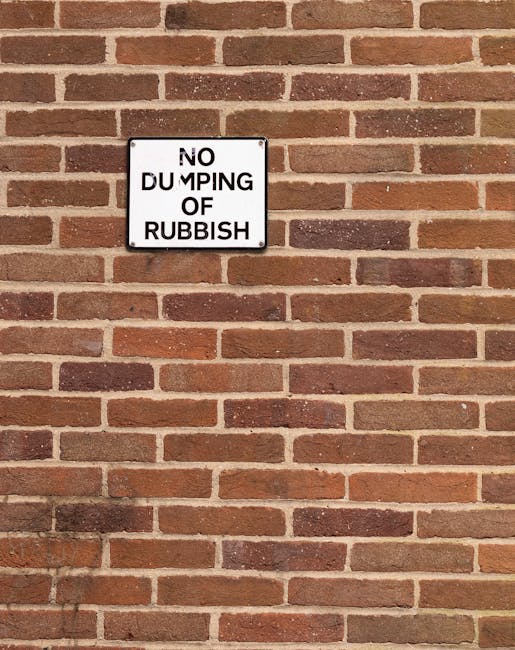
Fines for illegal rubbish dumping in Mayfair and how to avoid them
Illegal rubbish dumping in Mayfair is one of those issues that can look small at first glance, then suddenly become expensive, stressful, and awkward. A few bags left beside a railings, an old sofa pushed into the wrong place, or builders' waste abandoned after a quick job can all lead to enforcement action. If you are a homeowner, landlord, tenant, business owner, or contractor, understanding fines for illegal rubbish dumping in Mayfair and how to avoid them is not just about staying on the right side of the rules. It is about protecting your reputation, keeping streets clean, and avoiding the kind of hassle nobody wants on a busy weekday morning.
In this guide, we will walk through what counts as illegal dumping, how fines and enforcement usually work in London, the everyday mistakes that trigger penalties, and the practical steps that keep you safe. We will also look at sensible disposal options, local best practice, and the checks worth making before you hand waste to anyone. Truth be told, a little care goes a very long way here.
Why fines for illegal rubbish dumping in Mayfair and how to avoid them matter
Mayfair has a particular mix of challenges: dense footfall, high-value property, narrow delivery windows, shared access points, busy commercial premises, and very little tolerance for rubbish sitting where it should not. A small mistake can become visible quickly. Once waste appears in the wrong place, it can attract further fly-tipping, block access, create a nuisance, and invite complaints. In an area like this, that is rarely shrugged off.
The reality is simple: if rubbish is dumped illegally, the person responsible can face penalties, and if responsibility is unclear, the wrong person may end up having to explain themselves. That is why careful waste handling matters. It is not only about avoiding the fine itself; it is also about avoiding time lost, awkward correspondence, and the unpleasant feeling that your waste has become someone else's problem. Let's face it, that is not a situation anyone needs.
There is also a wider public benefit. Proper waste disposal helps keep pavements clear, supports recycling, and protects the look and feel of the local area. For residents and businesses alike, getting this right is part of being a decent neighbour. A smart waste routine often costs less in the long run than dealing with a mistake after the fact.
Expert summary: In Mayfair, the safest approach is not to gamble on informal waste disposal. Plan where waste goes, who removes it, and what evidence you keep. The more organised you are, the less likely you are to face avoidable fines.
How fines for illegal rubbish dumping in Mayfair and how to avoid them works
Illegal rubbish dumping generally means leaving waste in a place or manner that is not authorised. That can include bags left on the street, furniture abandoned by a bin store, builders' waste dumped after a renovation, or waste handed to someone who is not properly licensed to carry it away. The practical issue is not always the size of the pile. Even a single item can become a problem if it is placed unlawfully or transferred to the wrong person.
In practice, enforcement usually starts with a report, a complaint, or an inspection. Evidence may include labels, addresses, receipts, vehicle details, photographs, CCTV, or items traced back to the source. If a council officer or enforcement team can identify who produced the waste, who moved it, or who failed to arrange lawful disposal, the consequences can follow fairly quickly. Some cases are dealt with through fixed penalties or other enforcement action. More serious matters can escalate. The exact process depends on the circumstances, but the direction of travel is always the same: the less care you take, the more exposed you become.
To avoid that, the key is chain of responsibility. Ask yourself: who produced the waste, who is moving it, where is it going, and can I prove it? That four-part check is boring, admittedly, but it is also what saves people from headaches. If you have invoices, transfer notes where appropriate, confirmation from a reputable carrier, and a clear understanding of what was collected, you are in a much safer position.
Another practical point: many people assume that if a contractor or neighbour agrees to take something, the matter is done. Not quite. If waste is fly-tipped after it leaves your control and you did not take reasonable steps to verify the person handling it, you may still have a problem. So do not just trust the handshake. Verify the arrangement.
Key benefits and practical advantages
A careful waste disposal process does more than keep you out of trouble. It makes daily life easier, especially in a place where access can be tight and neighbours notice changes quickly.
- Lower risk of fines: Good records and proper disposal reduce the chance of penalties and disputes.
- Cleaner premises: A tidy frontage or loading area helps businesses and residents maintain a professional look.
- Fewer complaints: Neighbours, building managers, and managing agents are less likely to raise concerns when waste is handled properly.
- Better time management: A planned collection is less disruptive than last-minute dumping or repeated bin runs.
- Improved sustainability: Sorting and recycling waste properly supports more responsible disposal.
- Stronger peace of mind: You are not left wondering whether that old mattress or stack of rubble could come back to bite you later.
There is also a commercial benefit for offices, landlords, and contractors. Clean waste handling reflects well on your brand. In a district like Mayfair, where presentation matters, that is not a minor detail. People notice the basics first.
If your project involves a larger clear-out, it is often worth looking at structured services such as house clearance or office clearance, depending on the setting. A proper service should make the process simpler, not messier.
Who this is for and when it makes sense
This topic matters to more people than you might think. In Mayfair, illegal dumping risks can affect anyone who generates waste or arranges for it to be moved. That includes:
- homeowners dealing with household clutter or old furniture
- tenants moving out of a flat
- landlords clearing a property between lets
- estate managers and concierge teams
- offices disposing of furniture or equipment
- shop fit-out teams and contractors
- small businesses with regular commercial waste
- gardeners and decorators with green waste, packaging, or offcuts
It especially makes sense to pay close attention when waste is awkward, bulky, or mixed. A few cardboard boxes are one thing. A pile of broken furniture, plasterboard, or renovation debris is another entirely. The more complex the waste stream, the easier it is to make an error.
For example, a flat clear-out after a tenancy can seem straightforward until you hit the last room and realise there is a mattress, broken shelving, and bags of mixed household rubbish. At that point, many people are tempted to "sort it later." That is usually how problems begin. If you need a more organised approach, a service like flat clearance can be a practical route.
Step-by-step guidance
Here is the simplest way to stay compliant and avoid avoidable fines.
- Identify the waste type. Separate household rubbish, furniture, builders' waste, garden waste, electrical items, and anything potentially hazardous.
- Decide what can be reused, recycled, or disposed of. Not everything needs to go to landfill, and mixing waste often makes the job harder.
- Choose the right disposal route. Use a lawful collection service or an approved local disposal option rather than leaving items out and hoping for the best.
- Check the carrier carefully. Make sure the person or company moving the waste is appropriate for the job and gives you proper paperwork or confirmation.
- Keep your records. Save receipts, quotes, collection details, and any written confirmation. A simple email trail can be useful.
- Set a collection time that works. Waste left out too early can attract complaints or be tampered with.
- Confirm the site is left clean. A quick final check catches stray packaging, screws, or broken bits that are easy to miss.
If the waste involves renovation debris, it is often better to book a service specifically suited to that material. Mixed construction waste behaves differently from ordinary household rubbish, and that matters. A dedicated option such as builders waste clearance can reduce the chance of awkward mistakes.
One small but useful habit: take a few photos before collection. If anything goes wrong, you have a clear record of what was handed over and in what condition. It sounds a bit fussy. It is also very useful.
Expert tips for better results
After dealing with enough waste clearances to know where issues tend to crop up, a few patterns stand out.
Tip 1: Do not wait until the last day. The rushed job is the one most likely to go wrong. Last-minute arrangements often lead to poor choices, skipped checks, and waste left in the wrong place overnight.
Tip 2: Keep waste streams separate if you can. Furniture, cardboard, garden waste, and rubble are easier to manage when they are not all mixed together. It can also help with recycling and reduce collection complications.
Tip 3: Use clear instructions for anyone helping you. If staff, tenants, or contractors are involved, make the instructions simple. Tell them where waste is stored, who is collecting it, and what is not to be mixed in.
Tip 4: Think about access, not just disposal. In Mayfair, access can be tight. If a van cannot stop safely or a collection point is awkward, things can become messy very quickly. Plan the route and timing properly.
Tip 5: Be cautious with "cheap removal" offers. If a price looks too good and there is no paper trail, no clear business details, and no confidence about where the waste is going, that bargain can become a very expensive lesson.
Tip 6: Match the service to the property type. A home move, an office clear-out, and a garage full of old items are all different jobs. Choosing the right service is usually the neatest fix. For example, furniture disposal can make more sense than trying to squeeze bulky items into a general bin arrangement.
Tip 7: Ask for recycling information. If you care about sustainability, ask how items are sorted. A responsible provider should be able to explain the general process clearly, without getting vague or defensive.
Common mistakes to avoid
Most fines linked to illegal dumping are not the result of dramatic schemes. More often, they come from a handful of ordinary, preventable mistakes.
- Leaving rubbish beside bins too early: Even if collection is planned, leaving items out in a public area before the correct time can create a problem.
- Using an unverified waste carrier: If you do not know who is taking the waste, you are taking an unnecessary risk.
- Assuming a friend or helper knows the rules: Good intentions are not the same as lawful disposal.
- Mixing everything together: Mixed waste is harder to process and can be rejected or mishandled.
- Not keeping any evidence: If there is a dispute later, your memory will not be as helpful as a receipt.
- Dumping items "temporarily": Temporary often turns into forgotten, and forgotten turns into enforcement.
- Ignoring bulky items: Old sofas, desks, wardrobes, and appliances often cause more trouble than people expect.
A common one in practice is the "I'll deal with it after the weekend" approach. It sounds harmless. Then Monday comes, the pavement looks worse, and someone has already complained. Not ideal.
Tools, resources and recommendations
You do not need a complicated toolkit to stay compliant. A few simple habits and resources are enough for most people.
- Photos: Before and after shots provide a helpful record.
- Receipts and emails: Keep booking confirmations, collection notices, and invoices together.
- Waste separation bags or boxes: Useful for sorting recyclable material from mixed rubbish.
- A basic checklist: Handy for moving day, office fit-outs, and clear-outs.
- A trusted disposal provider: Choose one that explains what they do and how they handle waste.
If you want to compare service types, it helps to look at the nature of the waste first. A domestic clear-out may fit home clearance or house clearance, while business premises may need business waste removal. For accumulated items in storage areas, garage clearance or loft clearance can be more appropriate.
When in doubt, ask for a written explanation of what is included. A clear quote is better than a vague promise, every time. If you are comparing providers, pricing and quotes can also help you understand what to expect before you book.
Law, compliance, standards, or best practice
Waste disposal in the UK is governed by legal and practical duties that are meant to prevent fly-tipping and ensure waste is handled properly. The exact rules and enforcement approach can vary depending on the situation, but the core principle is stable: waste must be transferred to an appropriate party and handled lawfully. If you are producing waste, you should take reasonable steps to ensure it is collected and disposed of by someone suitable.
That means you should not hand rubbish to an unknown person simply because they offer a quick deal. You should also avoid leaving waste in public spaces, communal areas, or outside a property without proper arrangement. Even if you are not the person physically dumping the waste, your responsibility may not disappear just because the item has left your hands.
Best practice is straightforward:
- use a reputable, insured waste provider where appropriate
- keep evidence of the collection
- separate materials where possible
- avoid informal disposal arrangements
- store waste securely until it is collected
- make sure anyone acting for you understands what they are handling
For business users, the compliance angle matters even more. Offices and commercial premises often produce mixed waste streams and more frequent clear-outs, so the process needs to be more structured. If you are managing premises, reviewing insurance and safety alongside your waste process can be a sensible habit. It may not be exciting, but it is the kind of thing that saves trouble later.
And yes, the paperwork can feel a bit dull. But dull is good here. Dull means organised.
Options, methods, or comparison table
There are several ways to deal with rubbish in Mayfair, but they are not all equal. The right choice depends on the type of waste, the amount, access, and how quickly you need it gone.
| Method | Best for | Pros | Risks or drawbacks |
|---|---|---|---|
| DIY disposal | Very small amounts of ordinary waste | Simple in theory, low direct cost | Time-consuming, easy to get wrong, transport can be awkward |
| Scheduled bin disposal | Regular household rubbish | Familiar and convenient | Not suitable for bulky or excess waste, can lead to overflow |
| Dedicated clearance service | Bulk items, mixed waste, moving or renovation jobs | Efficient, more organised, better for compliance | Requires booking and proper provider selection |
| Unverified informal collection | Technically nothing sensible | Can seem cheap at first | Highest risk of illegal dumping, no real protection if things go wrong |
For most people in Mayfair, the middle route is best: use a proper clearance or waste service that fits the type of rubbish you have. If you are dealing with specialised items, choose the most relevant option rather than forcing everything into one basket. A furniture-heavy clear-out is not the same as a garden tidy-up, and the same goes for a workplace or rental property.
Case study or real-world example
Imagine a small Mayfair flat being cleared after a long tenancy. The outgoing tenant has a sofa, a broken chair, some packaging, and a few bags of mixed household rubbish. There is pressure to leave quickly because cleaners are due the next morning and the building manager wants the corridor clear. A neighbour says, "Just leave it by the service entrance and someone will take it." It sounds convenient. It is also exactly the kind of shortcut that creates risk.
Instead, the tenant arranges a proper collection, takes photos of the items, keeps the booking confirmation, and stores the waste inside until collection time. The carrier removes everything in one visit, and the area is left tidy. No awkward notes from management. No bags sitting on the pavement at midnight. No mystery about where the waste went.
That is the difference a slightly more careful approach makes. Nothing dramatic, just fewer problems. And in real life, fewer problems is a very good outcome.
Practical checklist
Use this checklist before any rubbish leaves your property or premises.
- Have I identified exactly what the waste is?
- Have I separated reusable, recyclable, and general rubbish where possible?
- Do I know who is collecting it?
- Have I checked that the collection arrangement is suitable for the waste type?
- Do I have written confirmation, a receipt, or a quote?
- Have I taken a photo of the waste before collection?
- Is the waste stored safely and not blocking access?
- Have I arranged the timing so it is not left in public too early?
- Do I know where the waste is going, at least in broad terms?
- Have I kept all records together in one place?
If you can answer yes to most of those, you are already ahead of many of the avoidable mistakes that lead to fines.
Conclusion
Fines for illegal rubbish dumping in Mayfair and how to avoid them comes down to one thing: taking waste seriously enough to handle it properly. The rules are there for a reason. Waste left in the wrong place can create a mess quickly, and the cost of fixing a careless decision is usually higher than doing it right from the start.
So keep your records, choose the right disposal route, and avoid any arrangement that feels rushed, vague, or too informal. Whether you are clearing a flat, an office, a home, or a pile of bulky items that has been nagging at you for weeks, a little structure makes all the difference. Honestly, it is one of those boring habits that pays off.
If you need a more organised approach to waste, clearing, or disposal, it is worth choosing a service that understands both the practical side and the compliance side. That way, you are not just getting rid of rubbish. You are getting peace of mind, too.
Get a free quote today and see how much you can save.
Frequently Asked Questions
What counts as illegal rubbish dumping in Mayfair?
It usually includes leaving waste in an unauthorised place, such as on the pavement, beside bins, in communal areas, or in any spot where it is not permitted. It also covers handing waste to someone who is not suitable to take it away legally.
Can I be fined if someone else dumps my rubbish?
Potentially, yes, if the waste can be linked back to you and you did not take reasonable steps to ensure lawful disposal. That is why receipts, booking details, and carrier checks matter so much.
How do I avoid fines when clearing a flat or house?
Use a proper clearance arrangement, keep evidence of collection, separate waste where possible, and do not leave items outside too early. Services such as flat clearance and home clearance can be helpful when there is a lot to move.
Is it risky to give waste to a cheap informal collector?
Yes. If the person is not appropriate, insured, or properly organised, your waste can end up fly-tipped. A low price is not worth much if it turns into a fine or a complaint later.
What records should I keep after a rubbish collection?
Keep the quote, invoice, written confirmation, and any photos of the waste before collection. Even simple email correspondence can help if there is a question later.
Does bulky furniture need special handling?
Often, yes. Sofas, wardrobes, desks, and mattresses can be harder to dispose of through ordinary household routes. A dedicated furniture disposal or furniture clearance service may be more suitable.
What is the safest approach for builders' waste?
Keep construction debris separate, store it securely, and use a service that is set up for that kind of material. Builders' waste is one of the most common areas where people get caught out by convenience.
How can businesses reduce the risk of dumping penalties?
Put a clear process in place for staff, contractors, and clean-outs. Use proper collection arrangements, keep records, and make sure people know not to leave waste in shared or public spaces. Business waste removal is often the cleaner route.
Do garden and garage clear-outs need the same care?
Yes, because loose bags, old tools, broken furniture, and green waste can all become an issue if left out in the wrong place. For those jobs, garden clearance and garage clearance can be a practical fit.
What should I ask a waste provider before booking?
Ask what they collect, how they handle the waste, what documentation they provide, and whether the quote covers the full job. If they are vague or evasive, that is a bad sign. Simple as that.
Why is Mayfair a sensitive area for rubbish dumping issues?
Because it is busy, highly visible, and often has limited space for waste to sit unnoticed. Problems can escalate quickly when rubbish affects entrances, pavements, or shared access points.
Where can I learn more about responsible disposal and company standards?
You can review the company's recycling and sustainability approach, along with policy pages such as terms and conditions and about us to understand the service better.
For a straightforward next step, choose the right clearance route, keep your paperwork, and do not leave anything to chance. A tidy plan is usually the safest plan, and in Mayfair that really does matter. Small details, big difference.